
A Beginner's Guide to Harbour Etiquette

Why Harbour Etiquette Matters
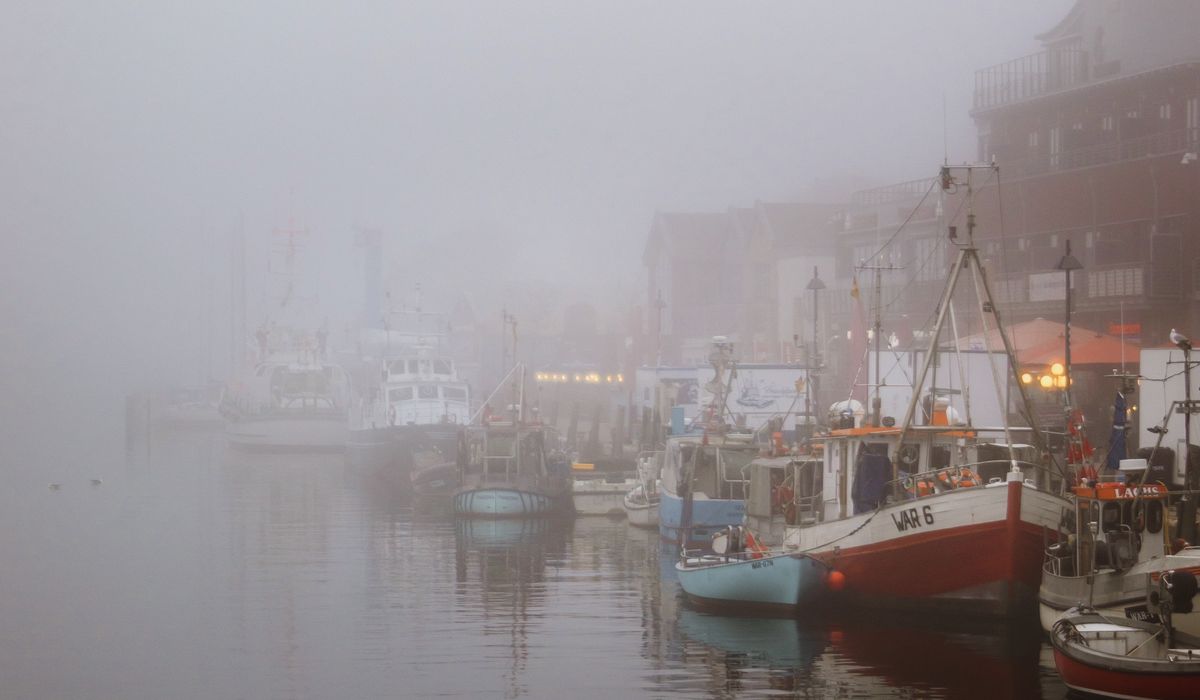
Harbours are working environments where fishing boats, ferries, tugs and pleasure craft all operate side by side. A little knowledge goes a long way when you are exploring on foot. The golden rule is simple: always keep clear of working boats, follow signage and avoid blocking slipways. Get that right and you will enjoy a safer, friendlier visit — and the people who earn their living on the water will appreciate it.
Keep Clear of Working Boats
Working boats — trawlers, crabbers, tugs, pilot boats — have priority over everything else in a harbour. They are manoeuvring in tight spaces, often with limited visibility and no brakes. If you hear an engine revving, a horn blast or see crew members moving purposefully, step back and give them room. Never assume a boat has seen you. Never walk between a boat and the quay when mooring lines are being tightened. And never try to cross a gangway that is in use.
- Stand well back from the edge when a boat is approaching or departing. Sudden wash or a snapped line can catch you off guard.
- Do not linger on the quay next to a boat that is loading or unloading. Crews need space to swing crates, nets and fuel hoses.
- Listen for engines — an idling diesel can be surprisingly quiet until it is right beside you.
If a crew member asks you to move, do so immediately and without debate. They are not being rude; they are keeping you and themselves safe.
Follow the Signage and Stay Behind the Lines
Harbour authorities paint lines, put up signs and fence off areas for good reasons. A yellow line along the quay edge is not a suggestion — it marks the zone where you should not stand. "No admittance" signs on fish quays, fuel berths and commercial pontoons mean exactly that. You would not wander into a busy warehouse, so do not wander onto a working dock.
Some signs are seasonal, such as those warning of diving operations or dredging. Others are permanent, like those marking a lifeboat station's launch path. Read them. If you are unsure whether an area is public, ask at the harbour office or a nearby chandlery. When in doubt, stay on the clearly designated footpaths.
Slipways: The Launching Zone, Not a Picnic Spot
Slipways are the busiest and most misunderstood parts of any harbour. They exist for one purpose: to get boats in and out of the water. Blocking a slipway is not just annoying; it can be dangerous, especially for a lifeboat or a vessel responding to an emergency.
- Never park on a slipway, even briefly. Not to unload gear, not to take a photo, not to let the dog have a drink.
- Keep your gear tidy if you are launching a kayak or dinghy. Do not spread bags, trolleys and cool boxes across the ramp. Move everything to the side and launch quickly.
- Give way to recovering boats. A boat coming out of the water has less control than you do on foot.
If you want to watch the launch, stand to one side and well back. Cheering is fine; getting in the way is not.
Ropes, Bollards and Boats: Look but Don't Touch
Mooring lines are under enormous tension. A rope that looks slack can snap tight in a second as the tide rises or a boat moves. Never step over a rope, never try to loosen one, and never use a bollard as a seat or a leaning post. That bollard is holding a vessel that may weigh many tonnes.
Similarly, do not climb onto boats unless you are invited. Even a small fishing boat is private property, and its deck can be slippery, unstable and full of sharp equipment. If you are curious about a particular vessel, wait until a crew member is free and ask politely. Most are happy to chat once the work is done. And please, do not feed the gulls or throw scraps to them near boats — it encourages aggressive behaviour and mess.
Dogs, Children and Everyday Courtesy
Harbours are wonderful for families, but they are not playgrounds. Keep children close and dogs on a short lead. A dog off the lead can trip a crew member, chase a gull into a dangerous area, or fall into the water. Children should never be allowed to run along the quay edge or play on the slipway.
Be mindful of noise early in the morning and late at night. Fishing crews often start before dawn, and they need to sleep when they can. Keep voices down, avoid slamming car doors, and do not let your dog bark at passing boats.
If you see someone struggling — a solo sailor mooring up, a family launching a dinghy — ask before helping. A simple "Would you like a hand?" is always welcome. And if you are offered advice by a local, take it kindly. They know the tides, the currents and the quirks of their harbour better than any guidebook.
Ultimately, harbour etiquette boils down to respect: for the people who work there, for the boats that need space, and for the sea itself. Follow the signs, keep clear of working boats, stay off the slipways, and you will be welcome back any time.

Joeby Ragpa
This template is so awesome. I didn’t expect so many features inside. E-commerce pages are very useful, you can launch your online store in few seconds. I will rate 5 stars.
ReplyAlexander Samokhin
This template is so awesome. I didn’t expect so many features inside. E-commerce pages are very useful, you can launch your online store in few seconds. I will rate 5 stars.
ReplyChris Root
This template is so awesome. I didn’t expect so many features inside. E-commerce pages are very useful, you can launch your online store in few seconds. I will rate 5 stars.
Reply