
Planning a Relaxed Coastal Weekend Break

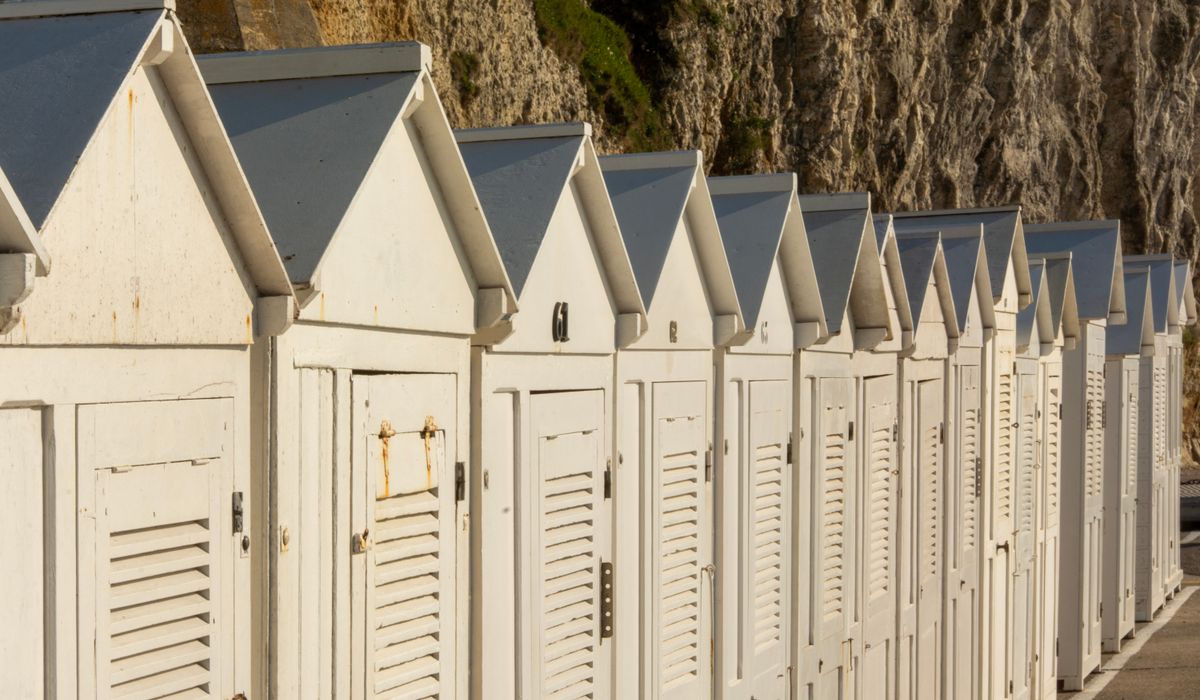
A relaxed coastal weekend is not about seeing every beach, castle and chip shop on the map. It is about choosing one seaside town, settling in, and letting the tide set the pace. The best UK coastal breaks feel less like a checklist and more like a long exhale: a morning walk, a proper lunch, an afternoon nap, and an evening stroll along the promenade. This guide is for anyone who wants sea air without the stress.
Pick one base and stay put
The single biggest mistake is treating a weekend like a road trip. If you base yourself in one town, you spend less time in the car and more time outdoors. Look for a town with a working harbour, a decent high street, and at least one beach within walking distance. That combination gives you options when the weather turns. A harbour usually means shelter, cafes, and a bit of life even on a grey day. A high street means you can buy picnic supplies, a paper, and a loaf of bread without driving. A nearby beach means you can nip out for a quick paddle or a sunset stroll without planning a major expedition.
Book accommodation within a 15-minute walk of the front if you can. Parking in popular seaside towns is often tight, expensive, or both. Being able to leave the car behind is a quiet luxury. If you are arriving by train, choose a town with a station near the seafront, such as parts of North Yorkshire, East Sussex, or North Wales. You will see more on foot anyway.
Choose the right kind of seaside town
UK coastal towns have distinct personalities. Matching yours to the right one makes a huge difference.
- Harbour towns are good for boat watching, fresh fish, and sheltered walks. They tend to be lively but not overwhelming.
- Promenade resorts suit gentle strolls, ice cream, and easy access to sand. They are ideal if you want level walking and plenty of benches.
- Quiet coves and villages offer solitude, but you may need to drive for supplies. Check opening times of the local shop and pub before you commit.
- Surf beaches bring energy, surf schools, and better waves, but also more traffic and higher prices. They are brilliant if you want to watch or join in.
Think about what you actually want: a bracing cliff walk, a lazy afternoon on soft sand, or a pint overlooking a harbour. Pick one, and resist the urge to tick off the next town along the coast.
Pack for four seasons in one day
British coastal weather is famously changeable. A warm morning can turn into a windy, damp afternoon within an hour. Layers are your friend. Bring a waterproof jacket that packs small, a warm mid-layer, and footwear with grip. Trainers are fine for promenades, but if you plan to walk on rocky shores or clifftops, proper walking shoes or boots are safer.
- Sun protection matters even when it is cloudy. Sea breezes can hide strong sun.
- A dry bag or rucksack liner keeps spare layers and phones dry if you get caught out.
- Reusable water bottle and flask save money and reduce waste. Many towns have refill points.
- Small towel and spare socks for impromptu paddling or wet feet.
- Cash or a card for small cafes and car parks, though signal can be patchy in coves.
Plan around the tide, not the clock
Tides are not a minor detail; they shape your day. Before you walk a beach or explore a rocky shore, check the local tide times. The safest and most enjoyable walks often happen in the two hours either side of low tide, when more sand and rock is exposed. Never walk out to a headland or across a causeway without knowing when the tide turns. Fast-moving tides can cut off routes surprisingly quickly.
If you are swimming, choose a lifeguarded beach where possible and stay between the red and yellow flags. Sea temperatures around the UK are cold enough to shock even on a hot day, so enter gradually and keep sessions short. For rock pooling, wear grippy shoes and watch for slippery seaweed. A simple rule: if the water is rising and you are unsure, turn back.
Eat local, walk often, rest properly
Good coastal weekends are built on simple pleasures. Buy fish from a harbour shop or a local market and cook it simply. Look for menus that change with the catch. A crab sandwich, a pasty, or a bowl of mussels will taste better after a walk. Avoid the trap of queuing for a famous chippy at peak time; go early or late, or find a quieter one a street back from the front.
- Walk before breakfast to enjoy empty promenades and soft light.
- Book one meal rather than every meal, and keep the rest flexible.
- Build in a rest hour after lunch. Read, nap, or watch the sea.
- Finish with a sunset stroll and a pint or a cup of tea.
Limit driving to one short trip if you must. A twenty-minute drive to a quieter beach can be worth it, but two hours in traffic is not.
A gentle weekend rhythm to copy
Friday evening: arrive, unpack, and walk the promenade or harbour for half an hour. Eat something easy and local. Saturday: morning beach walk or cliff path, lunch in town, afternoon rest, then a short second walk before dinner. Sunday: an early swim or rock pool explore, a slow brunch, and one last seafront wander before you head home. Leave one thing undone. That is your excuse to return.
Coastal living, even for a weekend, is about paying attention: to the tide, the weather, and your own energy. Choose one base, limit the driving, and let the sea set the schedule. You will come home calmer, saltier, and already planning the next trip.

Joeby Ragpa
This template is so awesome. I didn’t expect so many features inside. E-commerce pages are very useful, you can launch your online store in few seconds. I will rate 5 stars.
ReplyAlexander Samokhin
This template is so awesome. I didn’t expect so many features inside. E-commerce pages are very useful, you can launch your online store in few seconds. I will rate 5 stars.
ReplyChris Root
This template is so awesome. I didn’t expect so many features inside. E-commerce pages are very useful, you can launch your online store in few seconds. I will rate 5 stars.
Reply