
Where to Find Fresh Local Seafood

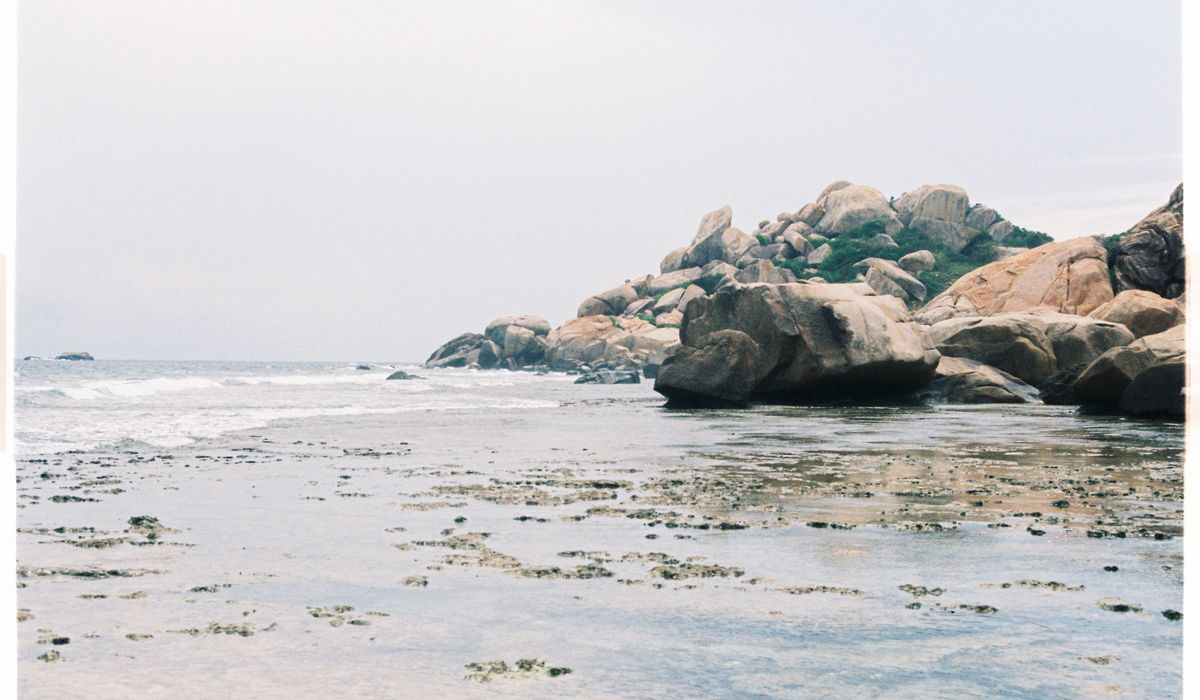
Start with the day boats
The freshest seafood in a coastal town is almost always landed by the smallest boats. A day boat heads out and returns within hours, so the catch spends a short time on ice rather than days in a hold. Look along the harbour wall for boats of eight to ten metres: a hand-lining boat working for mackerel and pollack, a potting boat hauling creels of crab and lobster, or a small trawler bringing in plaice, lemon sole and squid. If you can see the boat that caught your dinner, you are already ahead of most shoppers.
Towns with a working fleet — Newlyn and Padstow in Cornwall, Brixham in Devon, Whitby, the East Neuk villages of Fife, Mallaig, Oban and the Northumberland ports — tend to have fish on the quay most mornings. Ask when the boats land. The answer is often early, and the best stalls sell out before lunch.
What a good harbour stall looks like
Reliable cold storage is the clearest sign of a stall worth your money. Look for these details:
- Flake ice packed over and around the fish, not just a scattering of cubes on a tray.
- Drained displays. Meltwater should run away, not pool around the fish. Anything sitting in a puddle of pink water goes soft quickly.
- Fish laid flat or on a gentle slope, never heaped in a deep pile where the middle never chills properly.
- Shellfish kept cold and covered — crab and lobster on ice, mussels and oysters under a damp cloth or in a chiller, not baking in the sun.
- A chalkboard or handwritten labels naming the boat, the port and the date of landing.
- No ammonia smell. The sea should smell of the sea. Sharp, sweet or ammonia notes mean the fish is older than it looks.
Judge the fish itself with your eyes: bright, slightly bulging eyes; red or pink gills; a firm body that springs back; tight scales; and a clean, glossy skin. A fillet should look translucent and moist, not dry at the edges or swimming in its own juices.
Questions worth asking
Fishmongers and stallholders generally enjoy talking to someone who cares. A few questions will tell you a great deal:
- Which boat landed this, and when?
- What is local today, and what has been brought in from elsewhere?
- Is anything here previously frozen? Some fish is frozen at sea and sold defrosted, which is legal but worth knowing.
- Can you gut and gill it, or fillet it for me?
- What would you buy from this counter today?
That last question is the most useful one you can ask. A good fishmonger will point you to whatever has just come off the boat rather than the priciest thing on display.
Reading the catch information
In the UK, fish sold from a stall or shop should carry clear catch information: species, catch area or port of landing, gear type, and whether the fish has been previously frozen. Use it. If the labels are missing, vague, or contradicted by the stallholder, treat that as a signal about how the rest of the display is managed. Fresh shellfish should be alive when it reaches you — mussels and clams closed tight, oysters sealed, crabs and lobsters lively, or properly chilled once cooked.
Buy with the seasons
Seafood tastes better and costs less when you follow the calendar rather than the menu.
- Winter is the time for scallops, mussels and native oysters (the months with an R), plus cod, haddock and lemon sole.
- Spring brings brown crab at its fullest, along with pollack and the first sea trout.
- Summer delivers mackerel, sea bass, sardines and Cornish pilchards, with lobster and crab at their peak.
- Autumn is herring, squid and the start of the scallop season again.
Your practical shore guide
Getting your purchase home in good condition matters as much as choosing it well.
- Take a cool bag with frozen ice packs in the car. Buy seafood at the end of your trip, not the beginning.
- Ask for whole fish to be gutted and gilled, or filleted if you are cooking within a day. Whole fish on the bone keeps better if you are travelling far.
- Keep shellfish separate from other fish and out of fresh water. Mussels and oysters should stay cold and damp, never submerged in tap water.
- At home, put everything on the bottom shelf of the fridge in a covered dish, on a rack above a plate so it never sits in liquid. Aim for 0–2°C.
- Cook white fish and shellfish within 24 to 48 hours. Oily fish such as mackerel is best the day you buy it. Freeze only if you must, and label it with the date.
None of this requires special knowledge, just a habit of looking closely, asking one or two direct questions, and keeping things cold. Do that, and the reward is the thing coastal living does better than anywhere else: dinner that tastes of the harbour it came from.

Joeby Ragpa
This template is so awesome. I didn’t expect so many features inside. E-commerce pages are very useful, you can launch your online store in few seconds. I will rate 5 stars.
ReplyAlexander Samokhin
This template is so awesome. I didn’t expect so many features inside. E-commerce pages are very useful, you can launch your online store in few seconds. I will rate 5 stars.
ReplyChris Root
This template is so awesome. I didn’t expect so many features inside. E-commerce pages are very useful, you can launch your online store in few seconds. I will rate 5 stars.
Reply