
How to Plan a Safe Coastal Path Walk

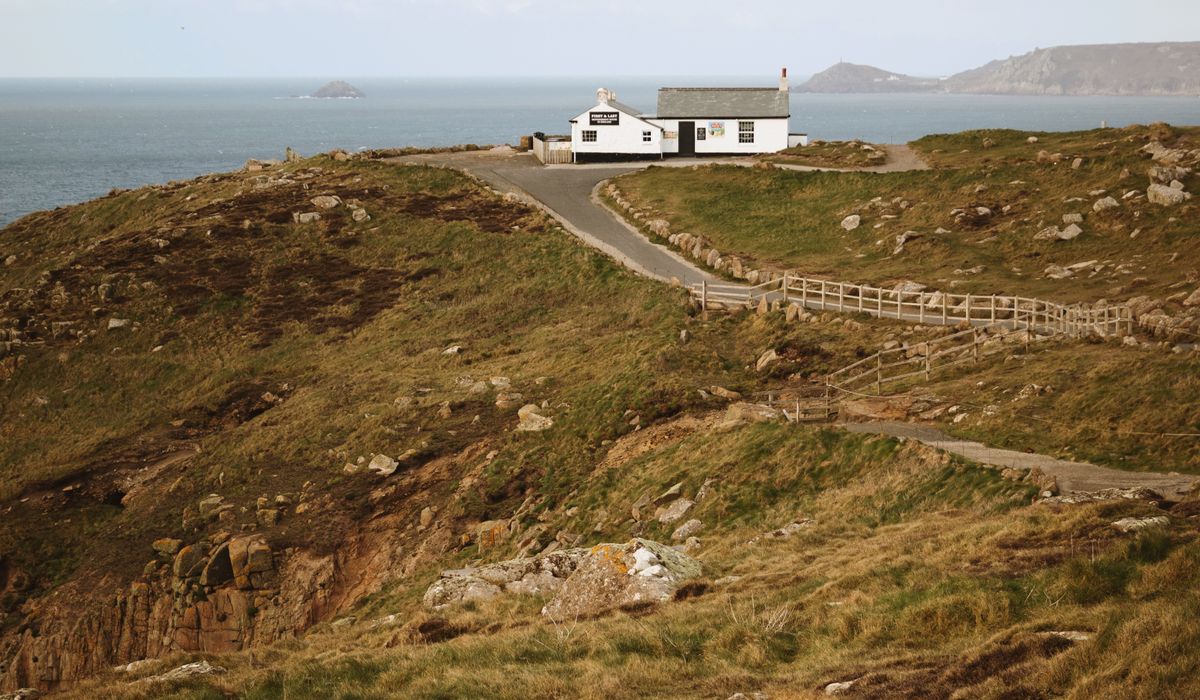
Why Coastal Paths Need Careful Planning
The UK coastline is one of the finest walking environments in the world, but it is also one of the most changeable. A path that feels gentle on a sunny morning can become exposed and treacherous by early afternoon. Before you set out along clifftops, estuaries or remote shoreline sections, you need to check three things: tide times, weather forecasts, and route gradients. These are not optional extras. They are the difference between a memorable day out and a call to the coastguard.
This guide walks you through a practical pre-walk routine. It assumes you are heading to a well-known seaside town or a quieter stretch of coast path, and that you want to come home safely with dry boots and a smile.
Read the Tide Tables Before Anything Else
Tides are the single biggest hazard on many coastal walks. A beach that looks wide and welcoming at low water can be completely submerged within an hour. Even a modest rise of half a metre can turn a firm sandy path into a slippery, impassable channel.
- Check the local tide table for the exact day and location. Tide times vary by up to an hour or more between neighbouring bays.
- Note both high and low water times, not just the one that suits your start. You need to know when the water is coming in and how fast.
- Understand spring and neap tides. Spring tides have a much larger range and can cut off headlands and beaches that are safe at neap tides.
- Identify cut-off points on your route: rocky outcrops, narrow beaches, or tidal causeways that flood early.
If your route crosses a tidal section, plan to be past it at least two hours before high water. Never assume you can outrun the sea.
Check the Weather and Wind Direction
Coastal weather is not the same as inland weather. Wind, rain, and sea mist can arrive quickly, and there is often no shelter for miles. A calm morning in a seaside town can turn into a windy, wet afternoon on an exposed cliff path.
- Look at wind speed and direction. A strong onshore wind brings spray, makes cliff edges slippery, and can knock you off balance.
- Check visibility forecasts. Sea fog can reduce visibility to a few metres, making navigation dangerous even on a familiar path.
- Watch for rain and thunderstorms. Wet rock and mud on steep gradients are a recipe for falls.
If the forecast is marginal, choose a lower, more sheltered route or save the exposed section for another day. The coast is not going anywhere.
Study the Route: Gradients, Surfaces and Escape Routes
Distance alone tells you very little about a coastal walk. A three-mile path with 300 metres of ascent and descent is far harder than a flat ten-mile promenade. You need to know what is underfoot and how steep it gets.
- Check the elevation profile on a large-scale map or guidebook. Look for steep cliff steps, zig-zags, and long pulls up from sea level.
- Note the surface. Shingle, loose rock, mud, and wet grass all slow you down and increase the risk of slips.
- Plan escape routes. Identify paths that lead inland to a road or village in case you need to cut the walk short.
- Allow extra time. A coastal path often takes 50% longer than the same distance on inland footpaths.
If you are walking a remote shoreline section, carry a paper map and a compass. Phone signal can vanish behind cliffs.
Pack for the Coast, Not the Car Park
It is easy to underestimate what you need when you start from a seaside town with a nice café. But once you are on the path, you are on your own. Pack as if the weather will turn and the path will be tougher than expected.
- Sturdy footwear with good grip. Trainers are fine for a promenade, not for wet cliff steps.
- Layers and a waterproof jacket. Coastal wind cuts through thin clothing.
- Water and food. There may be no shops or cafés for hours.
- Charged phone and a power bank. Keep it in a waterproof pouch.
- Basic first aid kit and a emergency whistle.
Tell someone at home where you are going and when you expect to be back. If you are alone, consider a personal locator beacon for remote sections.
Tell Someone Your Plan and Have a Backup
The best safety tool is a simple one: let someone know your route. Leave a note with your start point, expected finish, and estimated return time. If you are late, they can raise the alarm.
- Share your itinerary with a friend or family member, including any tidal sections.
- Agree a check-in time. A quick text from a clifftop can save hours of worry.
- Be ready to turn back. If the tide is earlier than expected, the wind picks up, or you feel tired, turn around. The path will still be there next week.
Coastal walking is deeply rewarding when you respect the sea and the land. Check the tides, read the forecast, know your gradients, and carry the right kit. Do that, and every step along the shore feels like an adventure rather than a gamble.

Joeby Ragpa
This template is so awesome. I didn’t expect so many features inside. E-commerce pages are very useful, you can launch your online store in few seconds. I will rate 5 stars.
ReplyAlexander Samokhin
This template is so awesome. I didn’t expect so many features inside. E-commerce pages are very useful, you can launch your online store in few seconds. I will rate 5 stars.
ReplyChris Root
This template is so awesome. I didn’t expect so many features inside. E-commerce pages are very useful, you can launch your online store in few seconds. I will rate 5 stars.
Reply