
Exploring Traditional Seaside Towns Without the Crowds

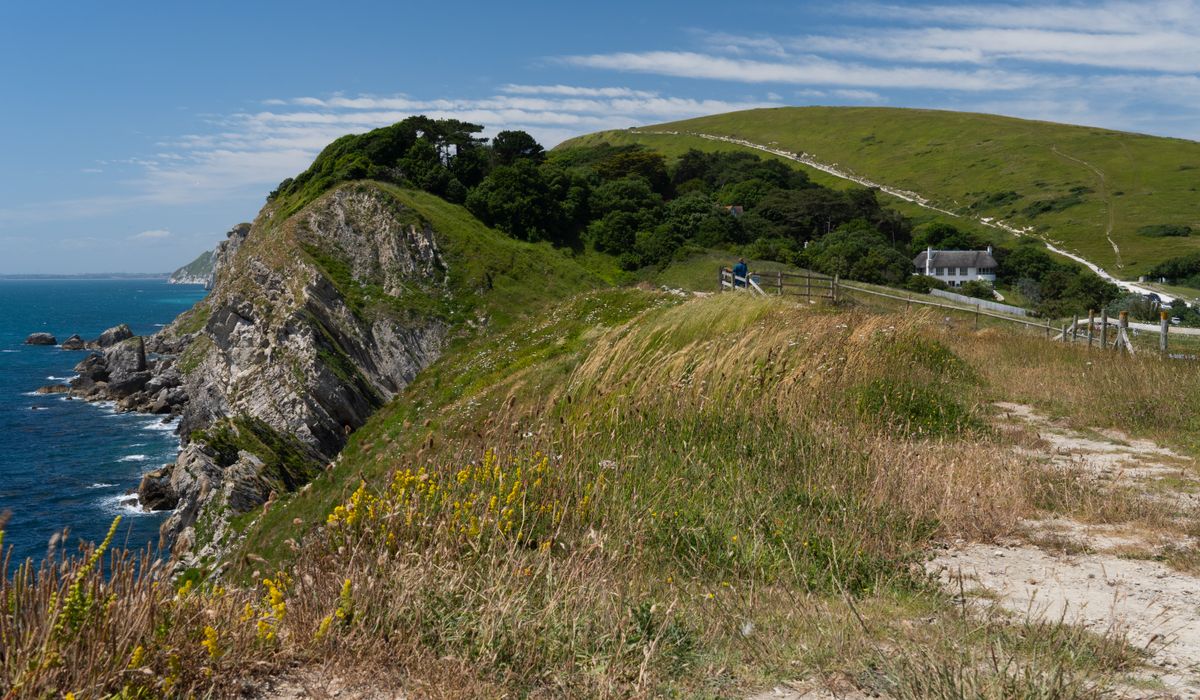
A traditional seaside town on a quiet Tuesday in late September is a different place to the same town on a blazing Saturday in August. The promenade is yours, the café owner has time to talk, and the little museum by the harbour is staffed by someone who has lived three streets away their whole life. If you plan around the school calendar, the tide table and the weather, you can enjoy everything a classic British resort offers without queueing for any of it.
Why Weekdays Outside Peak Season Work Best
The single biggest factor in how a seaside town feels is how many people are standing in it. Peak season runs roughly from the third week of July to the first week of September, plus bank holiday weekends and half-term weeks in February, May and October. Step outside those windows and visitor numbers drop sharply, even in well-known resorts.
Midweek days between May and early July, and from mid-September to late October, are the sweet spot. The sea is often at its warmest in September after a summer of sunshine, the light is softer and lower, and accommodation prices fall noticeably once the school term begins. You will still find things open, but you will not be sharing them.
- Best months for a quiet visit: late April to mid-July, and mid-September to late October.
- Best days: Tuesday to Thursday, avoiding Monday changeover traffic and Friday arrivals.
- Avoid: bank holiday weekends, half-term weeks and any day with a major local regatta or air show.
Choosing a Town That Still Feels Like Itself
Some resorts have been polished into theme parks of themselves; others have kept their working harbour, their weatherboarded boat sheds and their slightly faded grandeur. The second kind usually makes for the better day out.
Look for towns that still have a functioning harbour or a small fishing fleet, a lifeboat station, a parish church with a graveyard worth wandering, and at least one shop selling things people actually need. A high street with a hardware shop, a butcher and a charity bookshop is a good sign. A high street made entirely of souvenir shops and ice cream parlours is a sign you will pay more and learn less.
If you are unsure, search the local civic society or heritage group listings before you go. They almost always publish a walking trail, a leaflet or a short history of the town, and those documents point you straight at the good bits.
Timing Your Visit Around the Tide and the Traffic
Two practical things will shape your day more than anything else: when the tide is out and when the car parks fill. Check both before you leave home.
Tide tables are published free by the harbour authority, the local council and on noticeboards near the seafront. Low tide opens up rock pools, sand flats and causeway walks that are impossible at high water. High tide, by contrast, is when the promenade looks at its best, with waves breaking against the sea wall and the boats afloat rather than keeled over on the mud.
- Arrive early: between 9am and 10am, and park on the outskirts rather than fighting for a seafront space.
- Park considerately: use council-run long-stay car parks, not residential streets or shop forecourts.
- Allow for one hour either side of high tide if you want to walk a causeway or cross to an island.
- Check the weather inshore forecast rather than a general town forecast; coastal conditions change faster.
The Promenade: Where to Walk and What to Notice
The promenade is the spine of any traditional resort, and it rewards a slow walk in both directions. Start at the harbour end if there is one, and work your way along to the pier or the far bandstand.
Look for the details that tell you how the town grew: the cast-iron railings, the Victorian shelters with their curved roofs, the date stones on the sea wall, the beach huts in their annual repaint colours, the faded lettering on a closed pavilion. Many promenades have a small plaque trail; if not, the local museum usually sells a leaflet for a pound or two.
Walk out onto the pier even if it looks unpromising. Piers give you the best view back at the town and the cheapest sense of being at sea. Take a flask; the benches at the end are almost always empty on a weekday morning.
Independent Cafés, Bakeries and Lunch Stops
The best food in a quiet resort is usually not on the seafront. Walk two or three streets inland, towards the church or the old market square, and you will find the places locals use.
- Look for a queue of regulars at opening time, not a queue of tourists at midday.
- Bakeries beat cafés for value; a pasty, a sausage roll or a slice of cake eaten on a bench is a proper seaside lunch.
- Check closing days. Many small kitchens shut on Mondays and Tuesdays, and some close by 3pm.
- Ask about the catch. If there is a day boat in the harbour, the café may well be cooking its fish that evening.
Booking is rarely necessary outside peak season, but a quick phone call on the morning secures a window table with a sea view at no extra cost.
Small Museums and Local Collections
Britain's coastal towns are full of tiny museums run by volunteers, and they are consistently the highlight of a quiet day out. Expect shipwreck finds, Victorian bathing costumes, photographs of the railway that once ran along the front, and a lifeboat display with the names of local men who crewed her.
Admission is usually a few pounds, sometimes free with a donation box, and opening hours are often short: typically 11am to 4pm, Wednesday to Sunday, and closed entirely in winter. Ring ahead or check the noticeboard in the town square before making the walk. Allow an hour, and buy something from the shop — it is what keeps the lights on.
Pair the museum with the churchyard and the harbour wall, and you will leave knowing the town rather than just having photographed it. That is the quiet pleasure of travelling out of season, and it costs nothing but a weekday.

Joeby Ragpa
This template is so awesome. I didn’t expect so many features inside. E-commerce pages are very useful, you can launch your online store in few seconds. I will rate 5 stars.
ReplyAlexander Samokhin
This template is so awesome. I didn’t expect so many features inside. E-commerce pages are very useful, you can launch your online store in few seconds. I will rate 5 stars.
ReplyChris Root
This template is so awesome. I didn’t expect so many features inside. E-commerce pages are very useful, you can launch your online store in few seconds. I will rate 5 stars.
Reply