
Finding Independent Shops in Coastal Towns

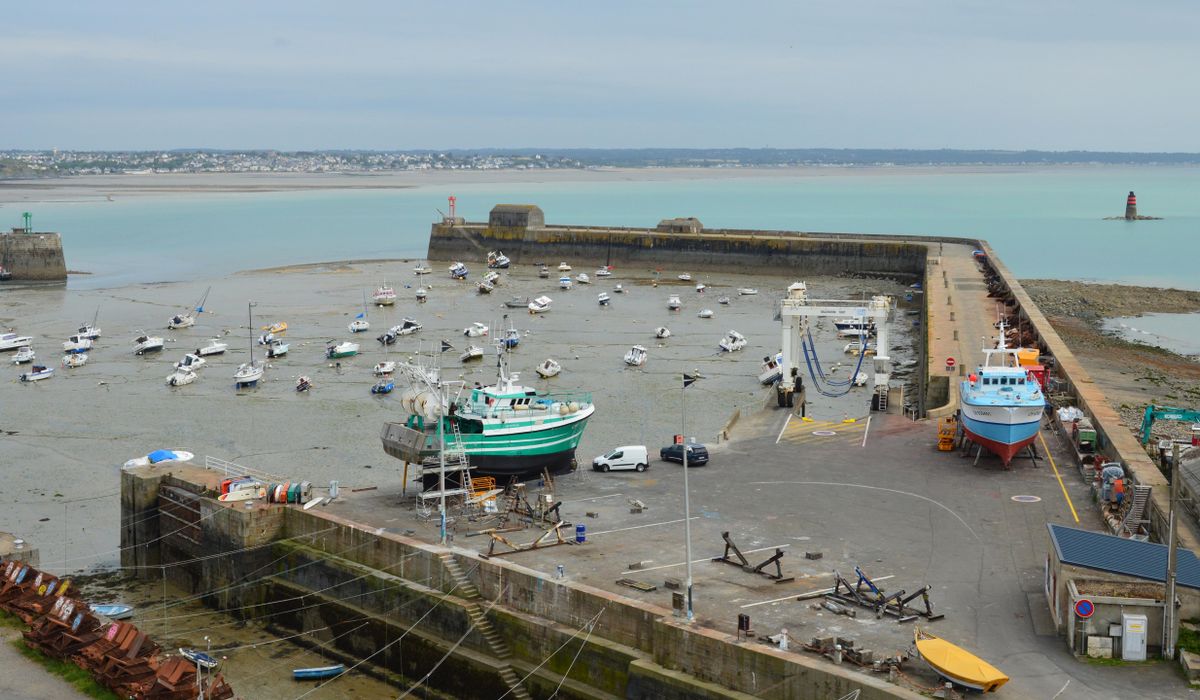
Beyond the Seafront
Every coastal town has two economies. The first faces the sea: ice cream kiosks, gift shops selling the same shells-and-lighthouses merchandise, and cafés charging a premium for a view. The second sits a street or two back, and it is almost always more interesting. This is where the greengrocer knows which boats landed that morning, where the bookshop has a shelf of local history nobody else stocks, and where you can buy a birthday present that hasn't already been bought by three other people this year.
Finding those shops takes a little deliberate wandering. It is worth the effort — for your own enjoyment, and because independent traders in coastal towns are fighting harder than most to stay open. Many depend on a short summer season to carry them through a quiet winter. Spending your money with them is a small, practical act of support.
Reading the Geography of a Coastal High Street
The trick is to walk uphill, inland, or simply away from the promenade. In most seaside towns, the seafront sits at the lowest, newest point, with the older commercial streets running perpendicular or parallel behind it. Look for these markers:
- The second street back. Often called something like Church Street, Market Street or High Street, this is where the butcher, baker and hardware shop survived the arrival of out-of-town supermarkets.
- Narrow lanes and courtyards. Former fishing quarters frequently hide small studios, printworks and antique dealers behind unassuming doors.
- Noticeboards and post office windows. Cards advertising a Saturday market, a pop-up gallery or a monthly craft fair are pinned up here long before they appear online.
- The harbour side away from the main quay. Chandlers, marine suppliers and fishmongers cluster where the working boats actually moor.
If you are unsure, ask. A question to a librarian, a barber or someone walking a dog will usually get you further than any map. "Where would you go for a decent bookshop?" is a reliable opener.
What to Look For, and What to Carry Home
Three categories of independent shop repay a visit almost anywhere on the UK coast.
Bookshops. Coastal independents tend to be strong on maritime history, local walks, birdwatching guides and second-hand fiction. Many run a small second-hand section alongside new stock, and staff will happily order a title in. A signed copy by a local author makes a thoughtful gift, as does a good Ordnance Survey map of the stretch of coast you have just walked.
Galleries and studios. Look for co-operatives rather than the polished commercial galleries on the front. You will find ceramics, linocuts, driftwood pieces, hand-thrown mugs and small oil paintings priced for real budgets. Buying directly from the maker means the money stays in the town.
Grocers, delis and markets. A proper greengrocer will have local produce in season and will tell you which farm the tomatoes came from. Delis stock regional cheese, smoked fish, chutneys and proper bread. If there is a weekly market, go early — the best stalls sell out by eleven.
Other reliable finds include wool and haberdashery shops, independent hardware stores (genuinely useful for beach gear and repairs), and old-fashioned sweet shops that still sell by the quarter.
Timing Your Visit
Coastal independents keep unusual hours. Many close one weekday, shut for lunch between roughly one and two, and finish early on Saturdays. Some shut entirely from November to March. Before making a special trip, check the door for a handwritten sign or ring ahead if you can.
Summer weekends are busiest, which is good for atmosphere but hard on browsing. Shoulder season — late spring and early autumn — is often ideal: shops are open, owners have time to talk, and you are not queuing behind a coach party. Winter visits have their own reward; a bookshop with a wood burner and no competition for the armchair is hard to beat.
Shopping Well: Practical Points
- Take cash. Smaller shops and market stalls may have minimum card spends or patchy signal.
- Bring a bag. Many independents charge for carriers, and some have stopped supplying them entirely.
- Ask about posting. Galleries and bookshops will often arrange delivery or careful packing for larger purchases.
- Be honest about browsing. A friendly word costs nothing and keeps the welcome warm.
- Buy one thing properly rather than five things cheaply. A single well-made piece beats a bag of souvenirs.
A Simple Shore Guide for the Day
Start on the seafront early, walk the promenade, then turn inland at the first likely-looking street and follow your nose for an hour. Buy lunch from a deli or bakery rather than a front-line café, and eat it on a bench looking at the water. Spend the afternoon in one bookshop, one gallery and one food shop. Before you leave, note the name of one place you would return to.
That last habit matters. Coastal towns reward repeat visits, and the shops that survive are the ones with regulars. Come back out of season, bring a friend, and you will find the town opens up in ways day-trippers never see.

Joeby Ragpa
This template is so awesome. I didn’t expect so many features inside. E-commerce pages are very useful, you can launch your online store in few seconds. I will rate 5 stars.
ReplyAlexander Samokhin
This template is so awesome. I didn’t expect so many features inside. E-commerce pages are very useful, you can launch your online store in few seconds. I will rate 5 stars.
ReplyChris Root
This template is so awesome. I didn’t expect so many features inside. E-commerce pages are very useful, you can launch your online store in few seconds. I will rate 5 stars.
Reply