
Lifestyle
What Makes a Great British Seaside Promenade

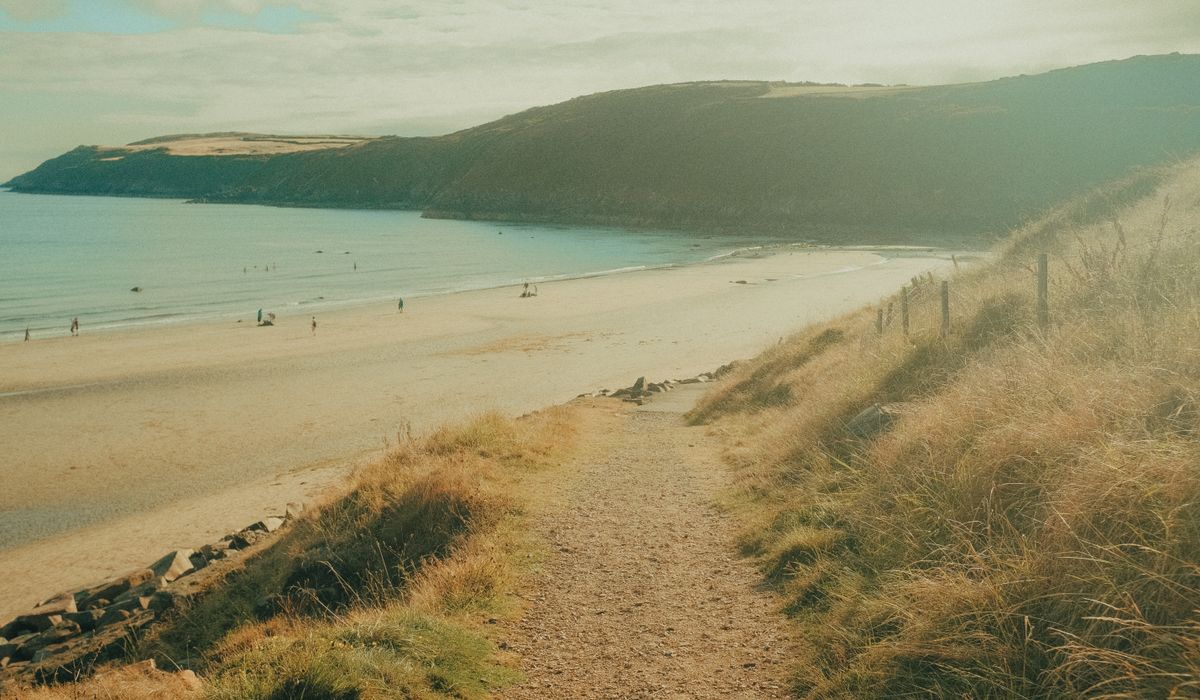
What a Promenade Actually Does
A great British seaside promenade is not simply a pavement beside the sea. It is a piece of public architecture with a very specific job: to let people of every age and ability get close to the water, stay a while, and go home feeling better than when they arrived. Everything else — the deckchairs, the ice cream kiosks, the wrought-iron railings — is detail hung on that basic purpose. That is why some seafronts feel instantly welcoming and others feel like a windswept car park with a view. The difference is rarely the scenery. It is the thought that has gone into how people actually use the space on an ordinary Tuesday in March, not just on a blazing August bank holiday.Level Walking, Comfortable Seating and Honest Shelter
The single most important feature of a good promenade is a continuous, level surface. Not a gentle slope that turns into a steep ramp at the far end, and not a stretch of loose shingle you have to negotiate in sandals. Think smooth tarmac or paving, wide enough for two people to pass a wheelchair or a pushchair without anyone stepping into the road. Seating matters more than most town councils admit. The best promenades offer variety:- Open benches facing the sea, for sunbathers and people-watchers.
- Sheltered seats tucked behind a wall, a groyne or a small shelter, for when the wind turns.
- Backed benches with armrests, which are far easier for older visitors to get out of than a plain slatted plank.
- Step-free access to the beach or lower level, ideally via a gentle ramp rather than a steep flight of steps.
Sea Views That Work in Real Weather
A sea view is not just about facing the water. Orientation matters enormously. A promenade that faces roughly south or south-west tends to catch the best of the sun and stays usable for more of the year. A north-facing seafront can be glorious on a still July evening and genuinely grim in a February easterly. Wind direction is the other half of the equation. Ask yourself where the prevailing wind comes from and whether there is anything to break it — a headland, a pier, a curved bay. Bays that curve inland often feel calmer than long, straight stretches of coast. If you are choosing where to stay, this is worth more than any brochure photograph. Also check the tide times if you plan to walk on the sand rather than the promenade itself. Some beaches vanish almost entirely at high water, and a few have areas where soft mud or fast-moving channels make walking unwise. Local tide tables are usually posted at the entrance to the promenade or available at the nearest café.The Practical Essentials: Toilets, Cafés and Transport
No amount of Victorian ironwork compensates for a lack of loos. A great promenade has accessible public toilets within easy walking distance, ideally at more than one point along the route. Look for facilities that are open outside the height of summer, because many coastal towns close theirs between October and Easter. Cafés and kiosks do more than feed people. They provide:- A reason to stop halfway, which makes a longer walk achievable.
- Somewhere warm and dry when the weather turns.
- Water refills, which matter on a hot day.
- A natural meeting point if you are walking in a group.
Access for Everyone
The best promenades are designed for people who are not especially mobile. That means dropped kerbs, tactile paving at crossing points, handrails on slopes, and enough width for two wheelchairs to pass. It also means thinking about the less obvious: is there somewhere to sit every hundred metres or so? Are the surfaces non-slip when wet? Is there shade on a hot day? Families benefit from the same features. A promenade with a low wall, a bit of grass, and a safe stretch of water is a much easier day out than one where you spend the whole time keeping a toddler away from a busy road.Reading a Promenade Before You Visit
If you are planning a trip, a few minutes of research pays off. Look at an aerial map to see how the promenade curves, where the car parks sit, and whether the seafront connects to the town. Check whether the beach is sand, shingle or a mix, as this affects footwear and how easy it is to sit down. Read recent visitor comments for mentions of closed toilets, ongoing repairs or seasonal closures. Then, when you arrive, walk it end to end before committing to a spot. The best bench is rarely the first one you come across. It is usually a little further along, slightly tucked away, with a clear view of the water and just enough shelter to make you want to stay for another hour.
Joeby Ragpa
This template is so awesome. I didn’t expect so many features inside. E-commerce pages are very useful, you can launch your online store in few seconds. I will rate 5 stars.
ReplyAlexander Samokhin
This template is so awesome. I didn’t expect so many features inside. E-commerce pages are very useful, you can launch your online store in few seconds. I will rate 5 stars.
ReplyChris Root
This template is so awesome. I didn’t expect so many features inside. E-commerce pages are very useful, you can launch your online store in few seconds. I will rate 5 stars.
Reply