
Essential Gear for British Cliff Walks

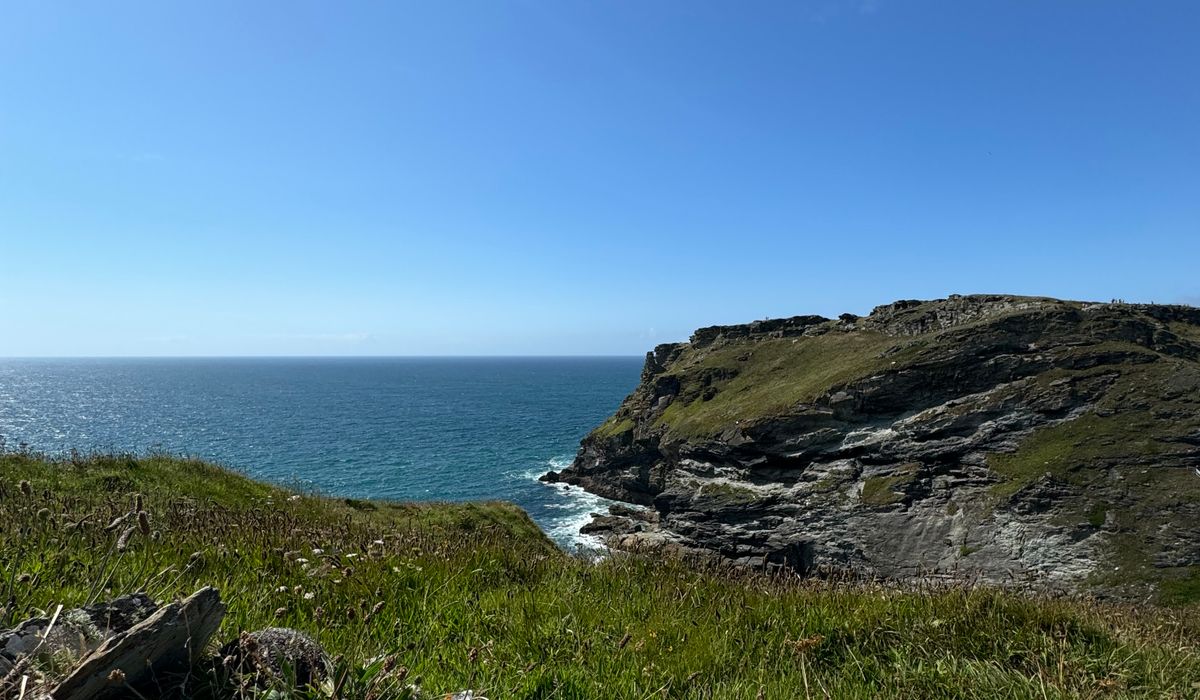
Why the British Coast Demands More Kit Than You Think
A cliff path on a still July morning can feel like the easiest walk in the world. Three hours later, the same path can be wrapped in sea fret, with a 30mph wind pushing you sideways and the chalk underfoot turned slick as a wet pavement. Coastal routes are exposed in a way inland walks rarely are: there is no tree belt to break the wind, no sheltering valley to drop into, and the weather can change over the space of a single headland. Add tide times, crumbling edges and a distinct shortage of shortcuts back to the car, and you have a walk that rewards a bit of preparation.
None of this needs to be expensive or technical. What follows is the kit that earns its place in a rucksack on British cliff paths, from the white chalk of Kent and Sussex to the granite of Cornwall and the basalt of the Scottish coast.
Layers: Waterproofs First, Warmth Second
Start with a genuinely waterproof jacket, not a shower-resistant one. Look for taped seams and a hood that stays up in wind — a flapping hood is worse than none, because it blocks your view of the path. A jacket that packs down small enough to live in your rucksack all year is worth the investment, because on the coast you will often start in sunshine and finish in drizzle.
Underneath, think in thin layers rather than one thick jumper:
- Base layer: a synthetic or merino top that wicks sweat. Cotton holds moisture and turns cold the moment you stop for lunch.
- Mid layer: a light fleece or thin insulated gilet. Cliff tops are routinely several degrees cooler than the car park below.
- Legs: quick-drying walking trousers beat jeans every time. If you wear shorts, pack lightweight waterproof overtrousers for the exposed stretches.
A spare dry layer in a dry bag is a small luxury that feels enormous when you are shivering at a viewpoint.
Footwear for Mud, Chalk and Slippery Steps
The single most important piece of kit is what is on your feet. Cliff paths mix four surfaces that each behave differently: compacted mud, loose gravel, worn stone steps and wet rock. Trainers with flat soles will get you up a gentle headland, but they offer little grip on a steep, greasy descent.
Choose walking shoes or boots with a deep, aggressive tread and decent ankle support. Boots are the safer choice on long or steep routes; sturdy low shoes suit shorter, well-made paths. Either way, break them in before a big walk, and wear proper walking socks — cushioned, seam-free and ideally merino, which stays warm when damp.
Wellies are fine for a flat beach or a muddy estuary, but they are a poor choice on cliff steps: they offer no ankle support and can slide on wet stone. Save them for the rock pools.
What to Carry in Your Rucksack
Coastal walks often have no shop, no café and no phone signal for miles, so carry what you need to be self-sufficient for the duration.
- Water: at least one litre per person for a half-day walk, more in summer. Wind dehydrates you as effectively as sun.
- Food: a proper sandwich, nuts, flapjack or fruit. Blood sugar dips fast on repeated climbs.
- A charged phone plus a power bank. Keep it warm and dry, and treat it as an emergency tool rather than your only navigation aid — signal along cliffs is patchy at best.
- A paper map or offline map. Coastal paths are often waymarked, but erosion diversions can send you onto confusing ground.
- A head torch, even on a short walk. A delayed start or a slow descent makes dusk arrive sooner than planned.
- A basic first aid kit: plasters, blister dressings, antiseptic wipes, painkillers and any personal medication.
- Sun cream and a hat. Sea breeze hides strong sun, and cliff paths have very little shade.
- A whistle and a foil blanket. Both weigh almost nothing and are invaluable if someone takes a tumble.
Reading the Tide, the Weather and the Edge
Tide tables belong in the same category as your waterproofs: essential. On many British coasts, a tempting beach route at low water becomes a lethal trap within a couple of hours, and the tide can come in faster than you can walk. Check the times before you set out and know your escape points. If a path drops onto the shore, confirm it also climbs off it.
Check a coastal forecast rather than a general town one, and pay attention to wind speed and visibility. Sea fret can reduce a clear view to fifty metres in minutes, so if you are relying on landmarks, think again. Walk back from the edge, particularly on chalk and soft glacial cliffs, which can crumble without warning. Keep dogs and children on a short lead or close by on narrow sections, and never assume a grassy strip near the top is solid ground.
Small Extras That Make a Big Difference
A few lightweight additions turn a decent walk into a comfortable one: a sit mat for a stone wall, a flask of tea for a cold headland, a dry bag for your phone and camera, and a small towel in the car for sandy boots. Binoculars are a joy on seabird cliffs in spring and early summer, but keep your distance from nesting birds and never stray from the path to get a better view.
Pack for the worst hour of the day rather than the best, tell someone your route and expected return time, and you will enjoy British cliff walking at its finest — bracing, beautiful and far more forgiving than it looks.

Joeby Ragpa
This template is so awesome. I didn’t expect so many features inside. E-commerce pages are very useful, you can launch your online store in few seconds. I will rate 5 stars.
ReplyAlexander Samokhin
This template is so awesome. I didn’t expect so many features inside. E-commerce pages are very useful, you can launch your online store in few seconds. I will rate 5 stars.
ReplyChris Root
This template is so awesome. I didn’t expect so many features inside. E-commerce pages are very useful, you can launch your online store in few seconds. I will rate 5 stars.
Reply