
Off-Season Breaks in Quiet Seaside Villages

Why Spring and Autumn Suit Quiet Villages
Come in the last weeks of April, through May and early June, or between the middle of September and the end of October, and a small seaside village feels like a different place. Car parks are half empty. The person behind the bar has time to tell you which path floods after rain. Weekly lets loosen into two- and three-night breaks, and rates often fall by a third or more outside school holidays.
The sea is at its warmest in September and early October, and the light is best in both shoulder seasons — long, low and clear across the water. What you trade for this is honesty in the weather. A bright morning can turn to a rain-squall by two o'clock, so pack for four seasons in one day and treat the forecast as a rough guide rather than a promise.
Picking the Right Village
Not every village wears the off-season well. Before you book, check for three things: a shop or post office open all year, a pub that serves food out of season, and at least one place that will cook you breakfast. A hamlet of twenty houses with a seasonal kiosk can feel bleak in November; somewhere with a working harbour and a few hundred residents tends to keep its heartbeat.
- Size: below roughly 300 residents, facilities thin out fast; above about 3,000 you are in a town, with more to do but less of the hush.
- Access: check the nearest bus route, railway station and petrol station, and how far you would be from a hospital.
- Breadth: one pub is charming until it shuts for a fortnight. Two gives you a choice on a wet Tuesday.
Guidebooks and listing sites are written for summer, so ring the pub, shop and cottage owner directly and ask what actually opens in the week you plan to visit.
What Stays Open — and What Doesn't
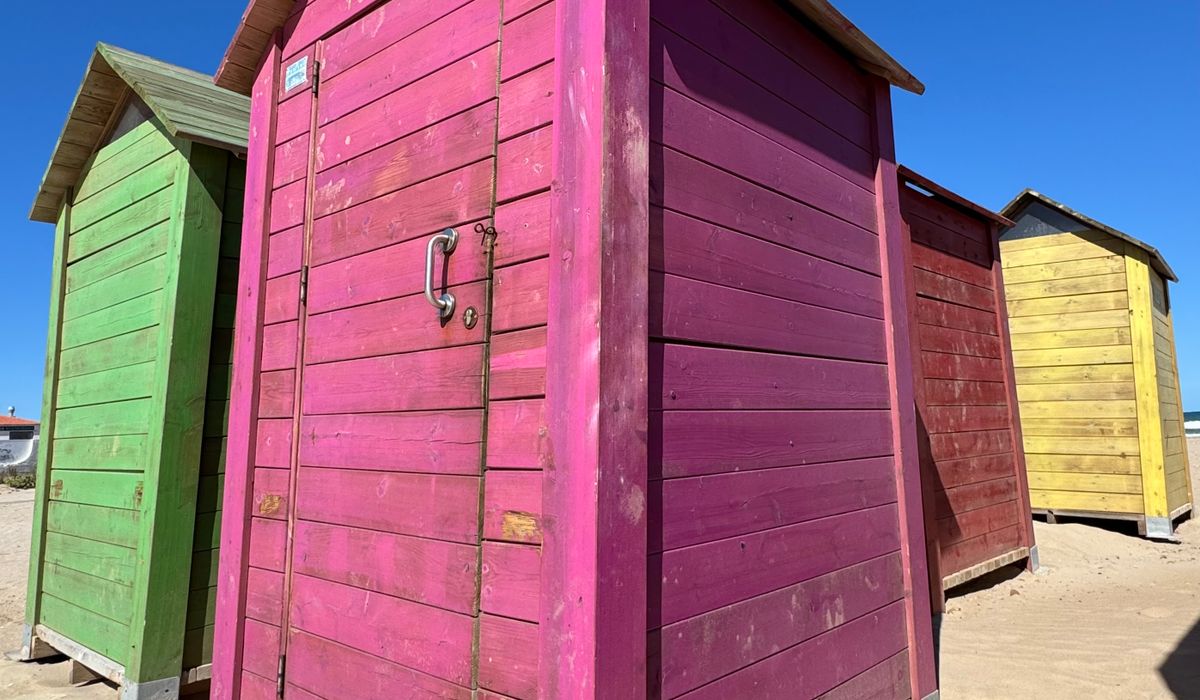
Beaches, harbour walls and the coast path stay open all year, and many car parks go free from October to March — read the signs, because some stay charged and the penalty notices are issued in every season. Churches, village shops and pubs generally keep going. What tends to close are boat trips, some cafés, ice-cream kiosks, beach huts and the odd guesthouse whose owners take their own holiday.
Some places open weekends only, and a few shut for the whole of January. Phone ahead rather than trusting a website, and never assume a kitchen serves late: in a quiet village the last orders may be far earlier than you expect.
Coastal Paths When the Crowds Have Gone
This is the real reward. In May the undergrowth is low, so views that disappear behind bracken in August stay open, and the cliffs are loud with nesting birds. By October the gorse and heather have gone bronze and the light comes in sideways. You will pass more dog walkers than hikers, and often nobody at all.
- Expect mud on shaded woodland sections and a few flooded field gates; wellies or sturdy boots beat trainers.
- Look out for temporary diversions around nesting sites in spring, and for erosion or landslips after winter storms.
- Carry a paper map as well as a phone — coastal signal is patchy and a wet screen is useless in a squall.
Practical Shorecraft
Tides are the thing to get right. Pick up a printed tide table for the week — harbour offices, village shops and pubs often have them — and learn the local pattern: most beaches flood roughly six hours in, six hours out. On a falling tide a mile of sand opens up; the same route can be cut off in twenty minutes on the way back. Where there is no lifeguard before May, swim cautiously, in company and near other people.
Sea fret is a coastal speciality: a bright inland forecast can meet a wall of cold fog at the shore, so a waterproof, a hat and a warm layer belong in the day bag even in June. Many beaches relax dog restrictions out of season, but always read the signs at the access point. Bring cash as well as a card — a village machine that relies on a phone line is only as reliable as the line.
Slowing Down, and Spending Less
Out of season your money stretches further and the pace drops to match. Cottages and guesthouses cut minimum stays to two nights, offer third-night-free deals, or throw in a basket of logs. Ask directly what an owner will do for a quiet midweek booking — it is far easier to negotiate in March than in August.
Eat where the village eats: a shop sandwich on the harbour wall, a pub supper, fish bought off the quay and cooked in a rented kitchen. Self-catering works especially well in the shoulder months, when the nearest market town has its weekly stalls and the village store is glad of the trade.
Above all, fit in. Park where you are told, keep dogs on leads near livestock, say good morning, and buy something from the shop even when you don't need it. A quiet village that remembers you kindly is the whole point of the trip — and the reason to come back when the rain arrives.

Joeby Ragpa
This template is so awesome. I didn’t expect so many features inside. E-commerce pages are very useful, you can launch your online store in few seconds. I will rate 5 stars.
ReplyAlexander Samokhin
This template is so awesome. I didn’t expect so many features inside. E-commerce pages are very useful, you can launch your online store in few seconds. I will rate 5 stars.
ReplyChris Root
This template is so awesome. I didn’t expect so many features inside. E-commerce pages are very useful, you can launch your online store in few seconds. I will rate 5 stars.
Reply